Inggeris

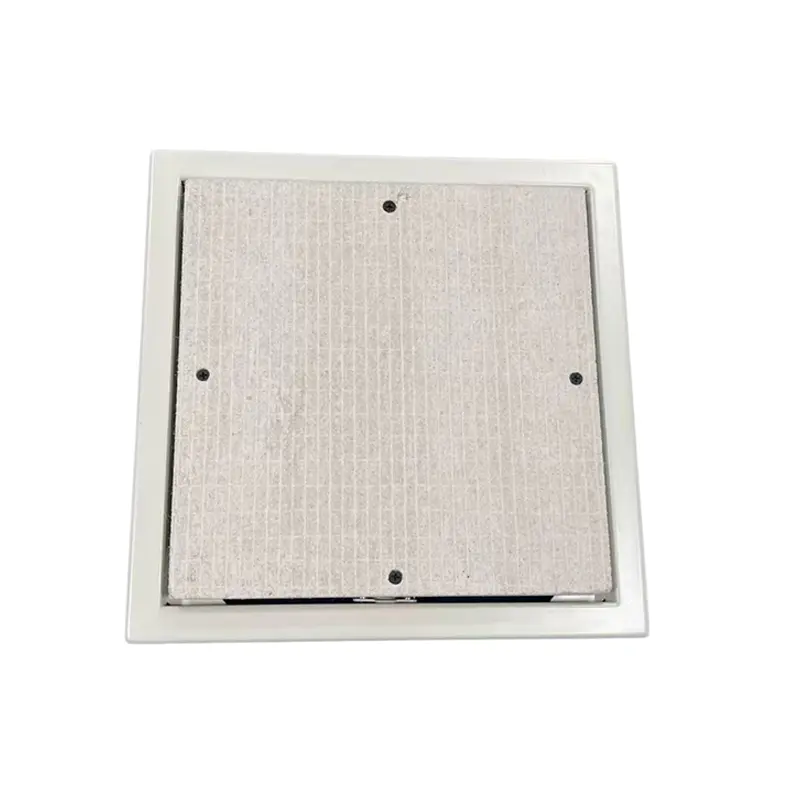
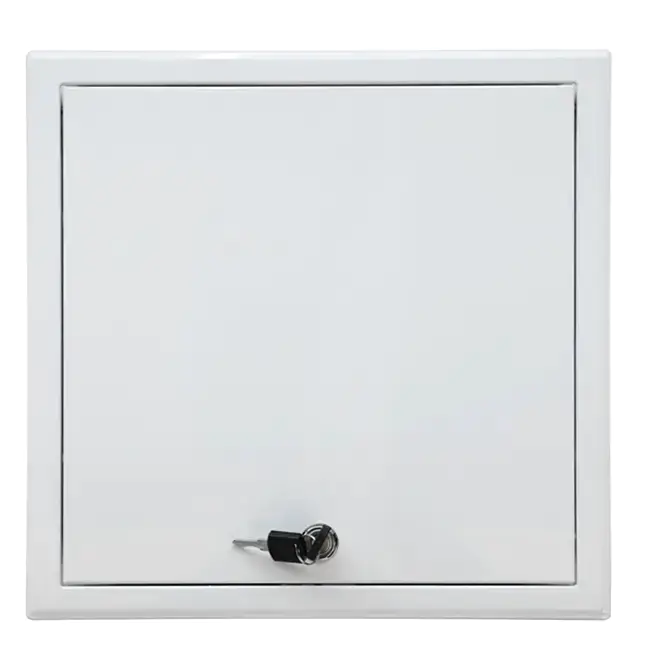
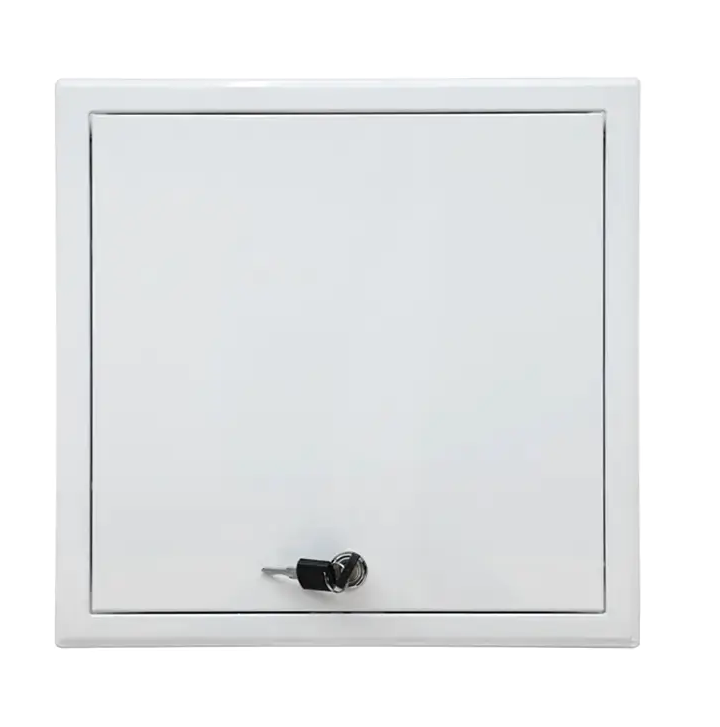
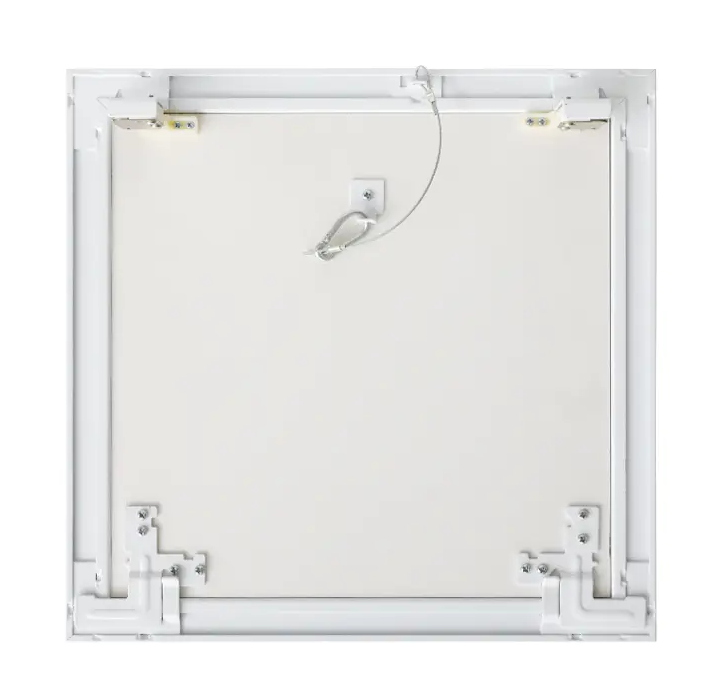
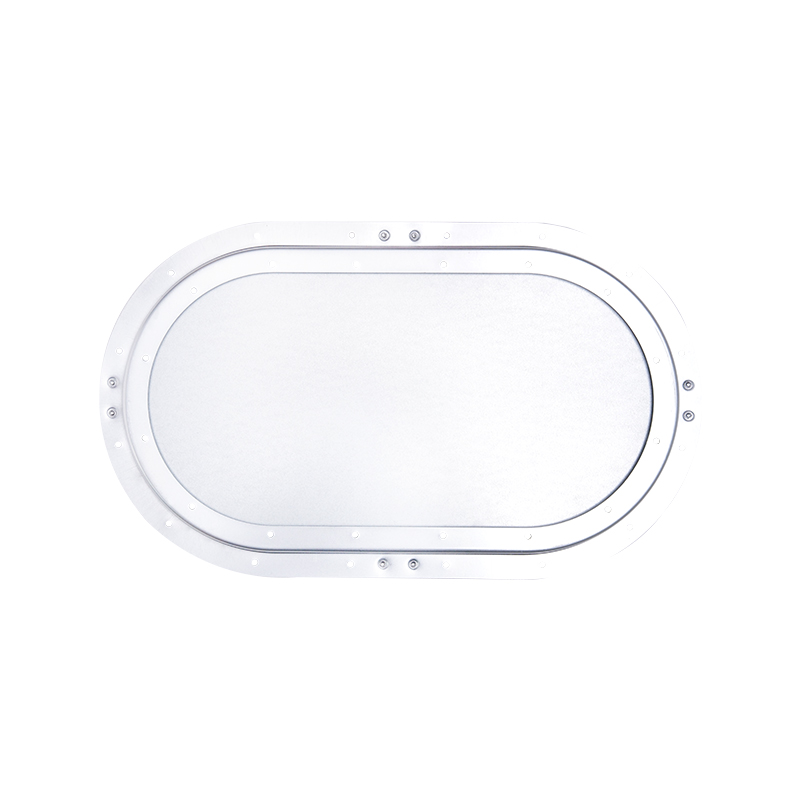
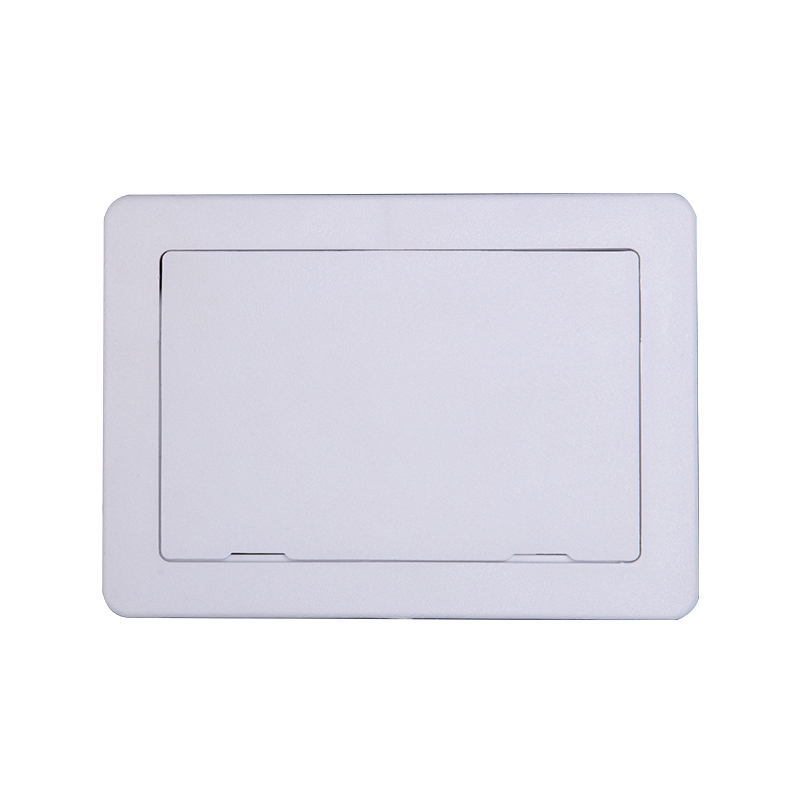
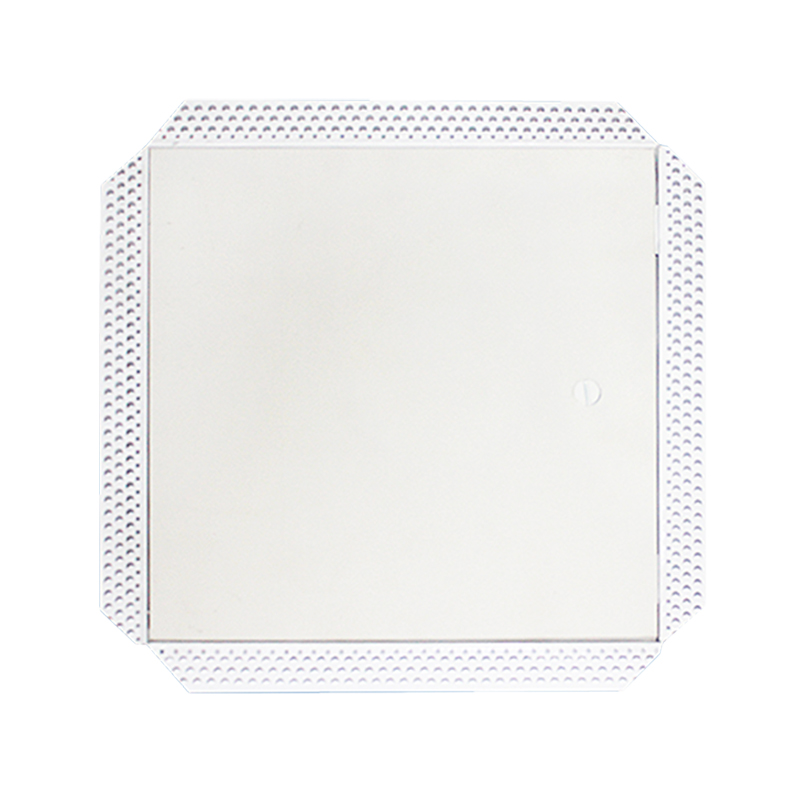
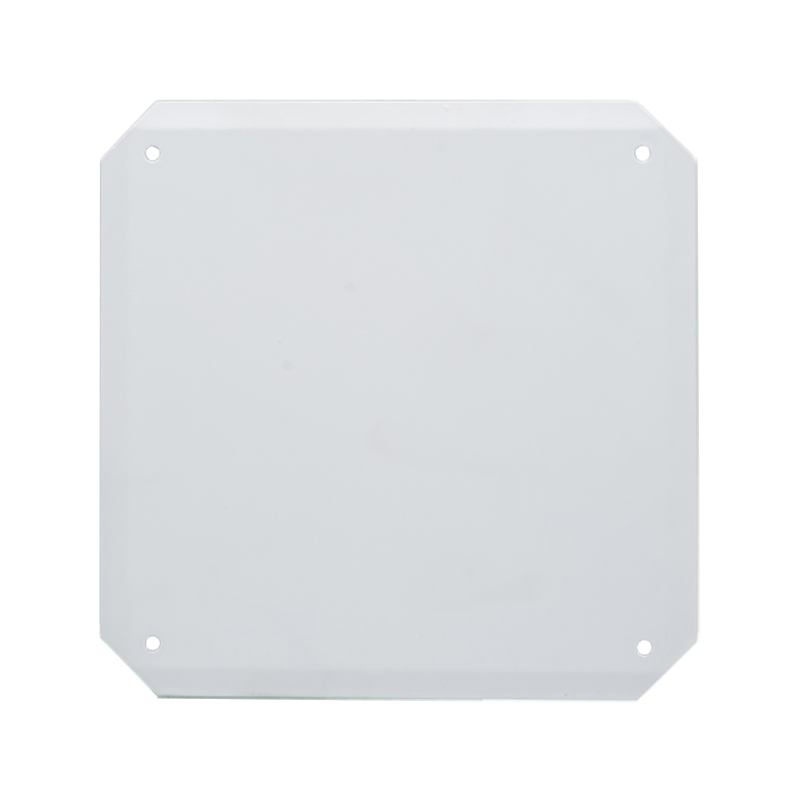
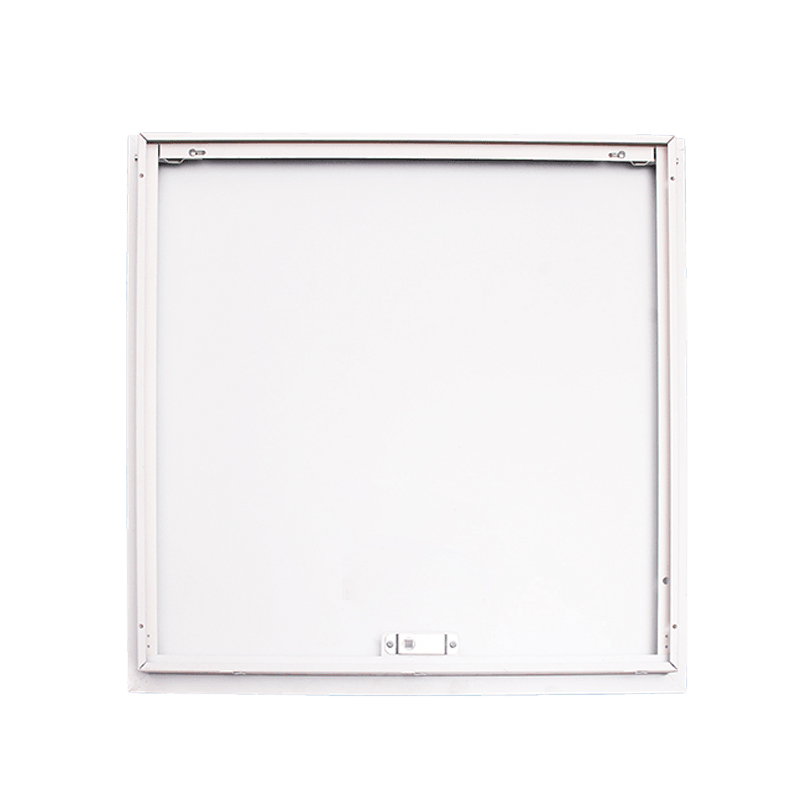
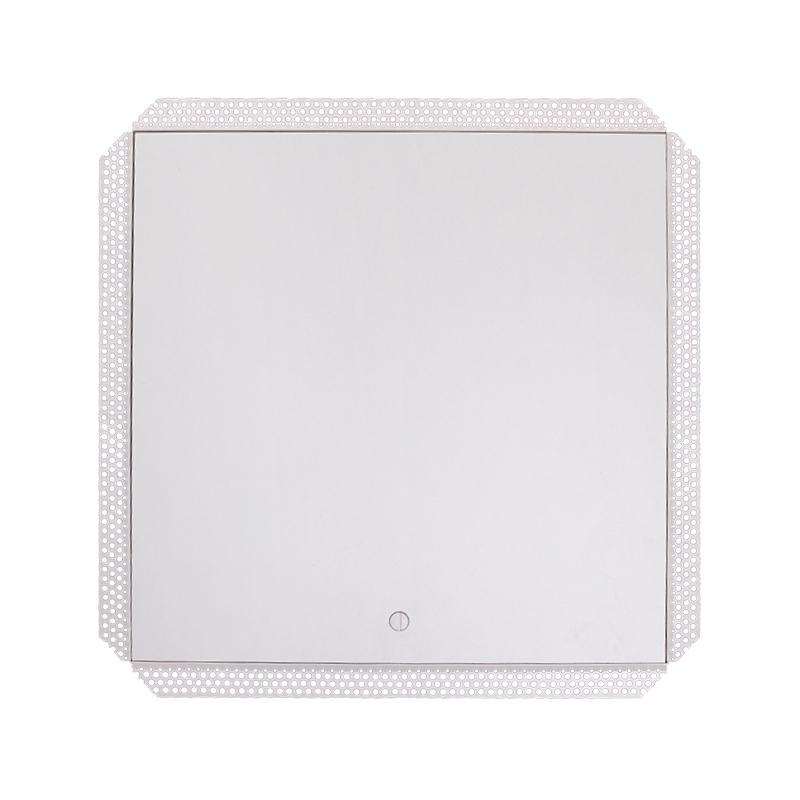
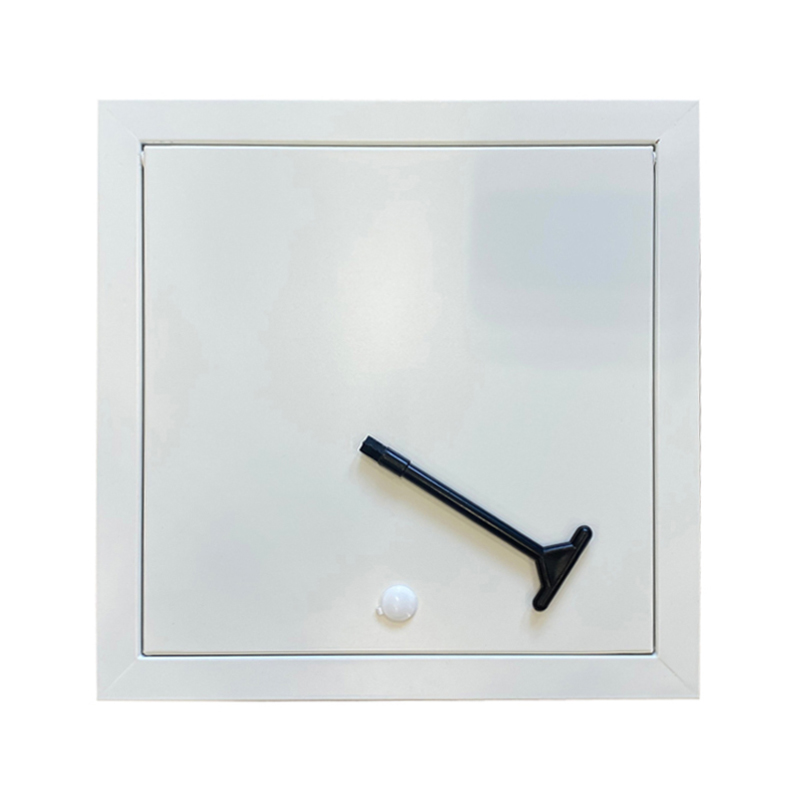
Panel akses keluli tahan karat adalah pilihan terbaik untuk persekitaran yang memerlukan ketahanan, kebersihan dan prestasi jangka panjang. Sama ada anda menyediakan dapur komersial, koridor hospital, kemudahan farmaseutikal atau kilang perindustrian, keluli tahan karat secara konsisten mengatasi alternatif seperti plastik, dinding kering atau keluli standard. Sebab utamanya mudah: ia tahan kakisan, tahan penggunaan berat, memenuhi piawaian kebersihan yang ketat, dan memberikan jumlah kos pemilikan yang lebih rendah sepanjang jangka hayatnya.
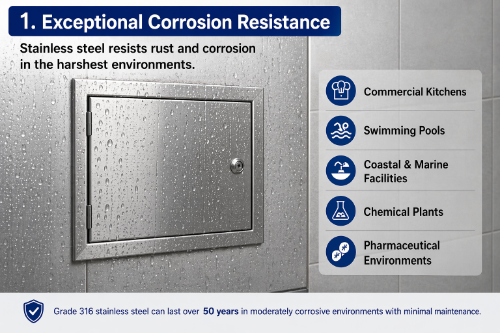
Salah satu sebab yang paling menarik untuk memilih panel akses keluli tahan karat ialah ketahanannya terhadap karat dan kakisan. Panel keluli standard mula terhakis dalam beberapa bulan apabila terdedah kepada kelembapan, bahan kimia atau kelembapan. Keluli tahan karat, sebaliknya, mengandungi sekurang-kurangnya 10.5% kromium , yang membentuk lapisan oksida pasif yang membaiki sendiri pada permukaan yang melindungi logam secara berterusan.
Dalam persekitaran seperti dapur komersil, bilik mekanikal kolam renang atau bangunan pantai yang terdapat udara masin, panel yang diperbuat daripada keluli tahan karat Gred 316 menawarkan perlindungan yang lebih baik kerana penambahan molibdenum. Kajian telah menunjukkan bahawa keluli tahan karat Gred 316 boleh bertahan lebih 50 tahun dalam persekitaran sederhana menghakis dengan penyelenggaraan yang minimum.
Persekitaran biasa di mana rintangan kakisan adalah kritikal termasuk:
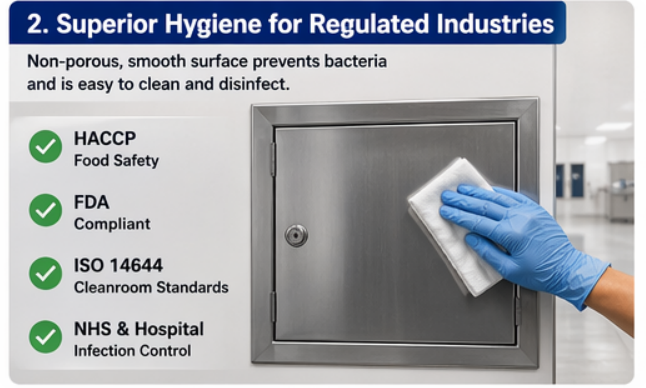
Kebersihan tidak boleh dirunding dalam penjagaan kesihatan, pemprosesan makanan dan persekitaran farmaseutikal. Panel capaian keluli tahan karat menyediakan a tidak berliang, permukaan licin yang menghalang bakteria, acuan dan bahan cemar daripada tertanam dalam bahan. Tidak seperti panel keluli atau plastik yang dicat, keluli tahan karat tidak menyerap lembapan atau menampung pertumbuhan mikrob.
Ini menjadikan panel akses keluli tahan karat mematuhi piawaian yang ketat seperti:
Pembersihan adalah sama mudah. Panel keluli tahan karat boleh disapu dengan disinfektan yang keras, termasuk penyelesaian berasaskan peluntur, tanpa merendahkan permukaan. Ini adalah kelebihan kritikal berbanding panel plastik, yang boleh retak atau berubah warna apabila terdedah kepada agen pembersih yang kuat.
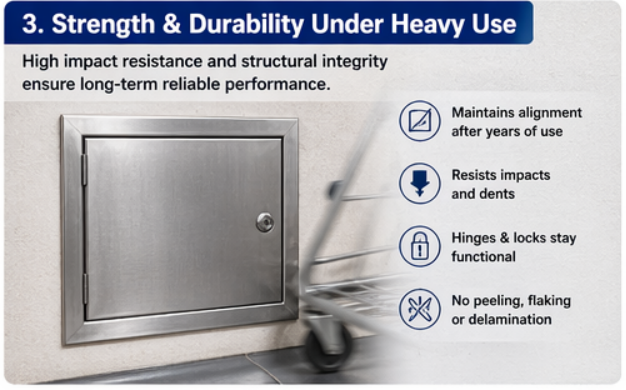
Panel akses di kawasan lalu lintas tinggi tertakluk kepada pembukaan, penutupan, kesan dan tekanan fizikal berulang kali. Panel keluli tahan karat adalah jauh lebih tahan hentaman daripada plastik atau panel akses dinding kering standard. Keluli tahan karat austenit (jenis yang paling biasa digunakan dalam panel) mempunyai kekuatan tegangan lebih kurang 515–620 MPa , berbanding sekitar 150–300 MPa untuk keluli lembut dan jauh lebih rendah untuk alternatif polimer.
Dari segi praktikal, ini bermakna:
Untuk kemudahan di mana panel akses dibuka dan ditutup berpuluh-puluh kali seminggu — seperti koridor penyelenggaraan bangunan atau bilik utiliti — integriti struktur ini diterjemahkan terus kepada pengurangan kos pembaikan dan penggantian.
Untuk memahami nilai penuh panel capaian keluli tahan karat, ia membantu untuk membandingkannya secara langsung dengan alternatif yang paling biasa merentas kriteria prestasi utama.
| Rintangan Kakisan | Cemerlang | bagus | miskin | bagus |
| Rintangan Kesan | Cemerlang | Adil | bagus | Adil |
| Penilaian Kebersihan | Cemerlang | Adil | miskin | bagus |
| Jangka hayat | 50 tahun | 10–15 tahun | 10–20 tahun | 20–30 tahun |
| Penyelenggaraan Diperlukan | minima | rendah | tinggi | rendah |
| Kos Pendahuluan | tinggier | rendah | Sederhana | Sederhana |
| Tahan Api | tinggi | rendah | Sederhana | Sederhana |
Panel capaian keluli tahan karat biasanya kos lebih awal daripada plastik atau keluli lembutnya. Walau bagaimanapun, apabila dinilai sepanjang kitaran hayat kemudahan penuh, jumlah kos pemilikan menceritakan kisah yang sangat berbeza. Pertimbangkan pecahan berikut untuk kemudahan komersial bersaiz sederhana yang menggantikan 20 panel akses:
Lebih tiga dekad, panel keluli tahan karat boleh kos yang sama atau kurang daripada alternatif yang kelihatan lebih murah pada mulanya, terutamanya apabila kos buruh untuk mengecat, menampal dan menggantikan difaktorkan. Bagi kemudahan dengan berpuluh atau ratusan panel, kompaun penjimatan adalah ketara.
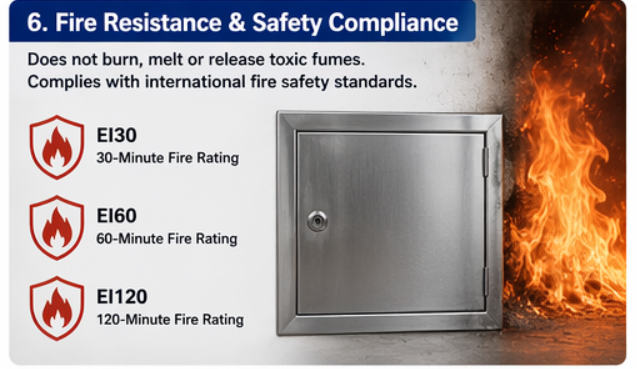
Dalam bangunan di mana keselamatan kebakaran adalah keperluan kawal selia, pilihan bahan panel akses secara langsung mempengaruhi pematuhan. Keluli tahan karat tidak menyala, membakar atau mengeluarkan asap toksik apabila terdedah kepada api — kelebihan kritikal berbanding panel plastik, yang boleh mencairkan, membakar dan mengeluarkan gas berbahaya. Keluli tahan karat mengekalkan integriti struktur pada suhu sehingga 870°C (1,600°F) untuk gred standard, dan lebih tinggi lagi untuk gred khusus.
Panel akses keluli tahan karat berkadar api tersedia dengan penilaian yang disahkan seperti:
Penilaian ini sejajar dengan keperluan di bawah BS 476 (UK) dan EN 1634 (Eropah), menjadikan panel keluli tahan karat pilihan yang mudah untuk pemasangan yang mematuhi api.
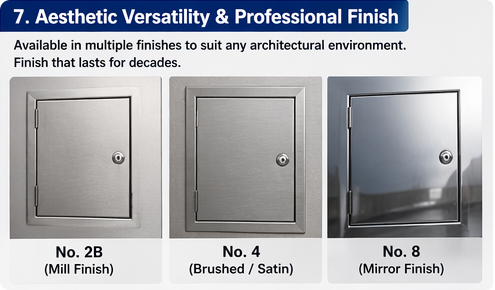
Di luar prestasi berfungsi, panel akses keluli tahan karat menyumbang kepada penampilan bersih dan profesional yang sesuai dengan pelbagai persekitaran seni bina. Bahan ini boleh didapati dalam beberapa kemasan standard:
Tidak seperti keluli dicat, kemasan pada panel keluli tahan karat tidak cip, mengelupas atau pudar dari semasa ke semasa. Di kawasan keterlihatan tinggi seperti lobi hotel, terminal lapangan terbang atau persekitaran runcit kelas atas, kualiti estetik yang mampan ini mengurangkan keperluan untuk penyelenggaraan kosmetik.
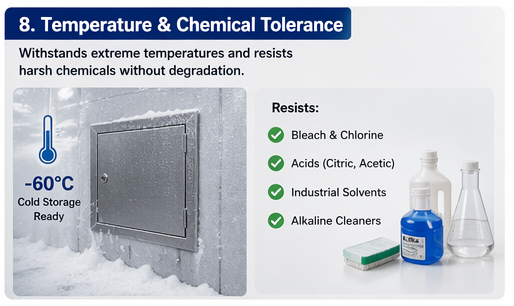
Sesetengah pemasangan memerlukan panel akses yang boleh menahan suhu melampau atau sentuhan biasa dengan bahan kimia yang agresif. Keluli tahan karat cemerlang dalam kedua-dua senario. Dalam storan sejuk dan bilik penyejuk beku, di mana suhu boleh turun –60°C , keluli tahan karat mengekalkan sifat mekanikalnya tanpa menjadi rapuh — mod kegagalan yang diketahui untuk panel plastik dalam persekitaran kriogenik.
Di sisi kimia, keluli tahan karat menentang:
Toleransi ini amat penting dalam bilik bersih pembuatan farmaseutikal, di mana sanitasi kimia harian adalah amalan standard dan panel mesti mengekalkan integriti mereka tanpa menjejaskan persekitaran steril di sekelilingnya.
Walaupun keluli tahan karat ialah pilihan berprestasi terbaik dalam banyak senario, ia adalah pilihan yang paling jelas apabila satu atau lebih syarat berikut dikenakan:
Untuk aplikasi dalaman kering standard dengan penggunaan ringan dan tiada keperluan kebersihan — seperti almari utiliti kediaman — panel plastik atau keluli lembut mungkin mencukupi dan mewakili nilai yang lebih baik. Walau bagaimanapun, untuk mana-mana persekitaran dengan keperluan prestasi yang menuntut, keluli tahan karat jarang menjadi pilihan yang salah , dan selalunya satu-satunya bahan yang akan berfungsi dengan baik sepanjang hayat bangunan sepenuhnya.

Hubungi Kami
SHUNSHI menyediakan pelbagai perkhidmatan sokongan teknikal untuk memastikan pelanggan dapat memilih, memasang dan menyelenggara produk ini dengan betul.
Kenalan
Tel: 86-15988108762
86-572-8298792
Fax: 86-572-8298792
E-mail: [email protected]
No.281 Mingzhu Main Road, Leidian Town, Deqing, Huzhou, Zhejiang, China, 313219